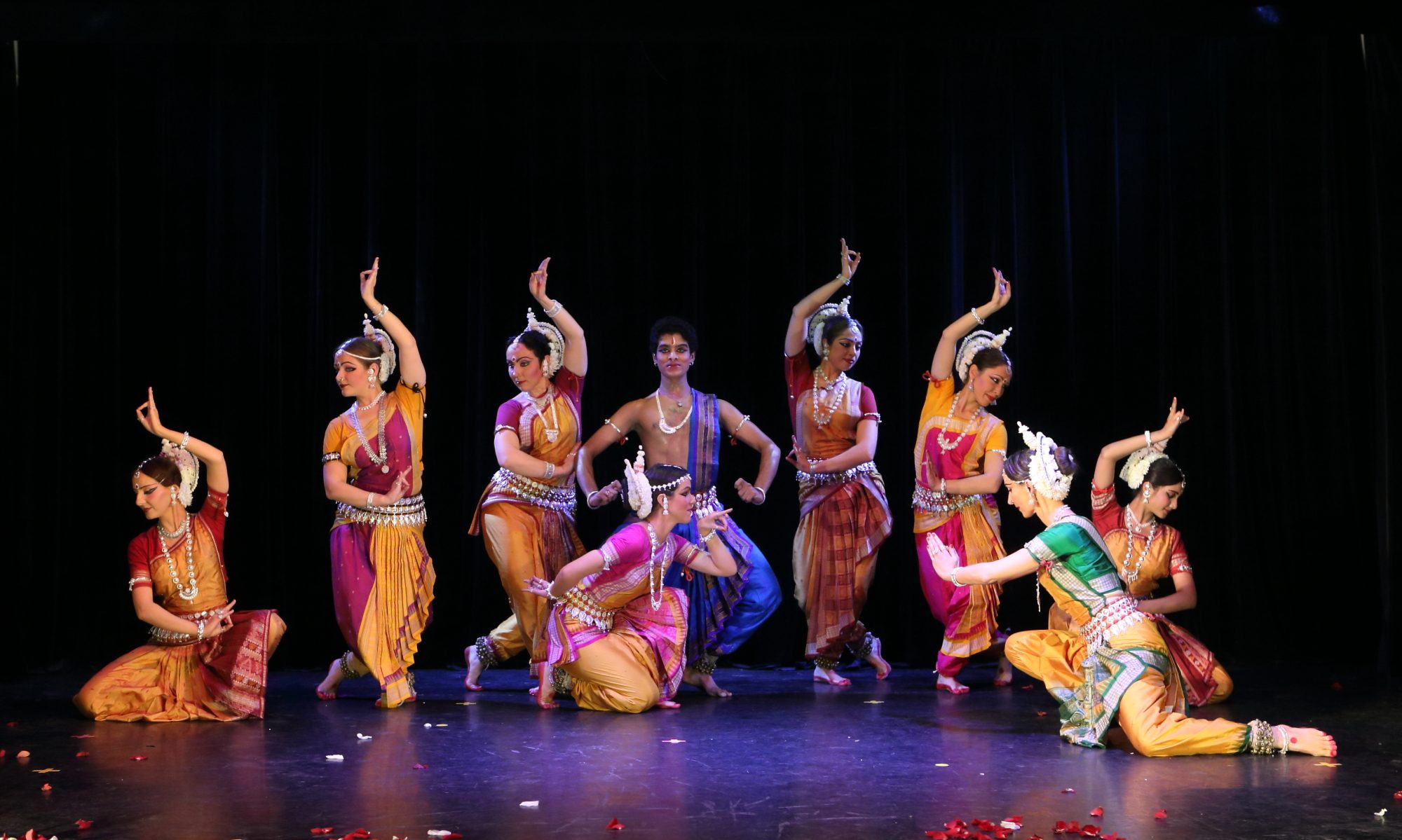

Спросите цветок, почему он расцветает весной. Спросите соловья, почему он поет, когда цветок расцветает. Спросите павлина, почему он танцует, когда видит черное облако в сезон дождей. Спросите дерево, почему оно движется во время ветра. Природа сама говорит, что музыка и танец — лучшее выразительное средство.
Человек тоже принадлежит музыке и танцу. Разве он не несет в себе это чудесное благословение матери природы? Что же такое танец? Можно сказать, что так мы называем эмоционально насыщенные ритмичные движения тела, соответствующие определенной схеме. Достаточно ли этого определения для того, чтобы понять, что такое танец?
Танец имеет три характерные черты. Первая — спонтанное движение мускулов, происходящее под влиянием сильных эмоций или страсти (таких как радость, наслаждение, гнев или религиозный экстаз). Вторая — удовольствие, которое получают и зритель, и танцор при выполнении технически сложных комбинаций движений. Третье — эстетическое переживание, возникающее у людей, наблюдающих танец.
В Индии танец стали изучать с древнейших времен. В Ригведе1, которая, как говорят историки, была составлена около 1000 г. до н.э., есть упоминания о танцах, музыкальных инструментах, таких как мриданг2, вина3, банси4, дамру5 и т.д.
Согласно представлениям индусов первым танцором считается Шива6. Одно из его имен — Натараджа означает «Царь танца». В индийской культуре образ Шивы стал символом танцевального искусства как такового.
Вот как рассказывает древнеиндийская литература об одном из танцев Шивы, называющемся сандхья тандава: «посадив Мать трех миров7 на золотой трон, украшенный драгоценными камнями, Шульпани8 танцует на вершине Кайласы9, и все боги собираются вокруг него. Сарасвати10 играет на вине, Индра11 на флейте, Брахма12 просчитывает ритм, Лакшми13 начинает петь. Вишну14 играет на барабане, и все боги стоят вокруг. Гандхарвы15, якши16, патаги17, сиддхи18, видьядхары19, апсары20 и все существа, населяющие эти три мира, собрались здесь, чтобы лицезреть небесный танец и услышать музыку божественного хора в час сумерек».
Своим космическим танцем Шива не только разрушает небо и землю в конце мирового цикла, но и разрывает путы, которые связывают каждую отдельную душу. Он уничтожает иллюзии, мирские желания, которые мешают душе достичь освобождения, но не уничтожает ее саму. Не следует считать, что Шива танцует в каждом погребальном костре, это лишь символическое описание процесса очищения, который происходит в сердце человека.
Легенды гласят, что однажды произошел спор между Шивой и Кали , о том, кто лучший танцор. Шива танцевал, и Кали успешно повторяла его танец. Чувствуя, что он может быть побежден, Шива высоко поднял ногу и продолжал танцевать. Женская скромность не позволила Кали21 повторить это, и Шива был признан богами лучшим танцором. Этот танец Шивы известен под названием урдхава тандава.
В индийской религии существует представление о том, что Шива и его супруга — одно существо, объединяющее в себе мужское и женское начало. Поэтому легенду о соперничестве между ними редко понимают буквально. Она воспринимается как напоминание о том, что в искусстве всегда следует стремиться к совершенству. Если рядом нет достойных соперников, нужно состязаться с самим собой и таким образом оттачивать свое мастерство.
В заключение можем сказать, что в интерпретации танцев Шивы исключительно важны три аспекта. Первый: ритмические движения Шивы считаются источником движения во всем мире, в традиционных изображениях Шивы это символизирует окружающая его арка. Второй: цель его танца — освободить бесчисленные души людей от иллюзий бытия. Третий: место его танца, центр вселенной, на самом деле находится в сердце каждого человека.
Танец Шивы (тандава) — энергичный и мужественный. Этот танец символизирует пять божественных действий (панчакритья):
Сришти — творение и эволюция
Стхити — поддержание и сохранение
Самхара — разрушение и инволюция
Тиробхава — воплощение душ
Ануграха — их освобождение из цикла перерождений
Эти действия соответственно приписываются божествам Брахме, Вишну, Рудре22, Махешваре23 и Садашиве24.
В тандава представлены все пять вышеупомянутых действий. Первое — творение. Шива начал танцевать и первыми звуками танца сотворил эту вселенную. Второе — сохранение. Ритм танца Шивы сохраняет вселенское равновесие. Третье — разрушение. Благодаря этому танцу одни живые существа уничтожаются, чтобы вслед за ними могли появиться другие. Четвертое — воплощение. Ритм танца воплощает в себе реальное и нереальное: прошлое, настоящее и будущее. Пятое и последнее — это освобождение. Оно антагонистично первому и позволяет живым существам достичь полного освобождения или нирваны.
Образ Шивы — олицетворение мужественности и серьезности, в то время как Кришна25 символизирует нежность и любовь. Кришна также известен как искусный танцор. Во время праздника холи26 в Матхуре27 исполняют танец, который рассказывает о шалостях и хитроумных проделках Кришны. В Барсане28 и Нандиграме29 исполняются шуточные танцы, во время которых местные жители поливают друг друга краской, как когда-то поступил Кришна с Радхой и ее подругами. Таким образом танец помогает сохранить и передать другим поколениям древние легенды. Согласно индийским религиозным учениям Шива известен как Пашупати или бог всего живого. Слово «пашу» обозначает существо, наделенное душой, способное двигаться. В эту категорию входят и люди, и животные. Человеческое тело не имеет сознания, но душа его имеет. Пашу — место обитания вечного и вездесущего «читшакти», что значит ум или энергия. Майя паша или материальная причина существования мира мешает человеку достичь освобождения. Агьяна (незнание), невежество, карма30 препятствуют человеку в соединении с богом.
В Бхагавад Гите31, Господь Кришна во время диалога с Арджуной утверждает, что танец — главный вид деятельности богов. В индийском искусстве много скульптурных изображений танцующих богинь, представляющих собой в основном Кали или Парвати. Победные танцы представлены Субраманьей, богом войны. Легенды гласят, что Субраманья, убив Сурападмасура, танцевал триумфальный танец. Океан был для него сценой, а аккомпаниментом — звук его барабана. Танец Картикейи32 — другой пример. Считается, что Вишну танцевал в образе женщины (Мохини) во время пахтанья океана, чтобы добыть амриту33 для богов, но нет изображения его во время танца в его привычном облике (воплощении). Встречаются также упоминания о танце Индры, но к сожалению, мало сохранилось изображений танцующего Индры.
Ригведа — сборник гимнов богам, одна из четырех священных книг древней Индии (вед).
Мриданг -один из видов индийских классических барабанов, напоминающий по форме бочонок.
Вина — индийский классический струнный щипковый инструмент, связан с образом богини Сарасвати.
Банси — индийская флейта.
Дамру — один из видов индийских барабанов, напоминающий песочные часы.
Шива — бог созидания и разрушения, один из индуистской божественной триады.
Мать трех миров — одно из имен супруги Шивы богини Парвати.
Шульпани — одно из имен Шивы, означающее «держащий трезубец».
Кайласа — гора в Гималаях, место обитания бога Шивы.
Сарасвати — богиня красноречия, покровительница науки и искусства.
Индра — царь богов в древнеиндийской мифологии.
Брахма — бог-творец в древнеиндийской мифологии, один из индуистской божественной триады.
Лакшми — богиня счастья, богатства и красоты.
Вишну — хранитель мира, один из индуистской божественной триады.
Гандхарвы — полубоги, небесные музыканты.
Якши — горные духи, хранители сокровищ.
Патаги — мифологические существа, слуги Шивы.
Сиддхи — святые, обитающие в поднебесье.
Видьядхары — мифологические существа, хранители знания.
Апсары — мифологические существа, небесные танцовщицы.
Кали — одно из имен супруги Шивы.
Рудра — ведический бог бури, в позднейшей мифологии слившийся с Шивой. Обозначает грозную ипостась Шивы.
Махешвара — одно из имен Шивы как хранителя этого мира
Садашива — одно из имен Шивы, характеризующее его как вечно живущего.
Кришна — индийское божество, изначально считавшееся восьмой аватарой Вишну.
Холи — праздник встречи весны в Индии.
Матхура — город в северной Индии.
Барсана — деревня, где, согласно легендам, жила подруга Кришны Радха.
Нандиграм — деревня, где жил Кришна.
Карма — совокупность всех деяний живого существа, которая определяет его статус в следующем рождении.
Бхагавадгита — одна из глав индийского эпического сказания Махабхараты.
Картикейя — одно из имен бога войны.
Амрита — напиток, дарующий бессмертие.