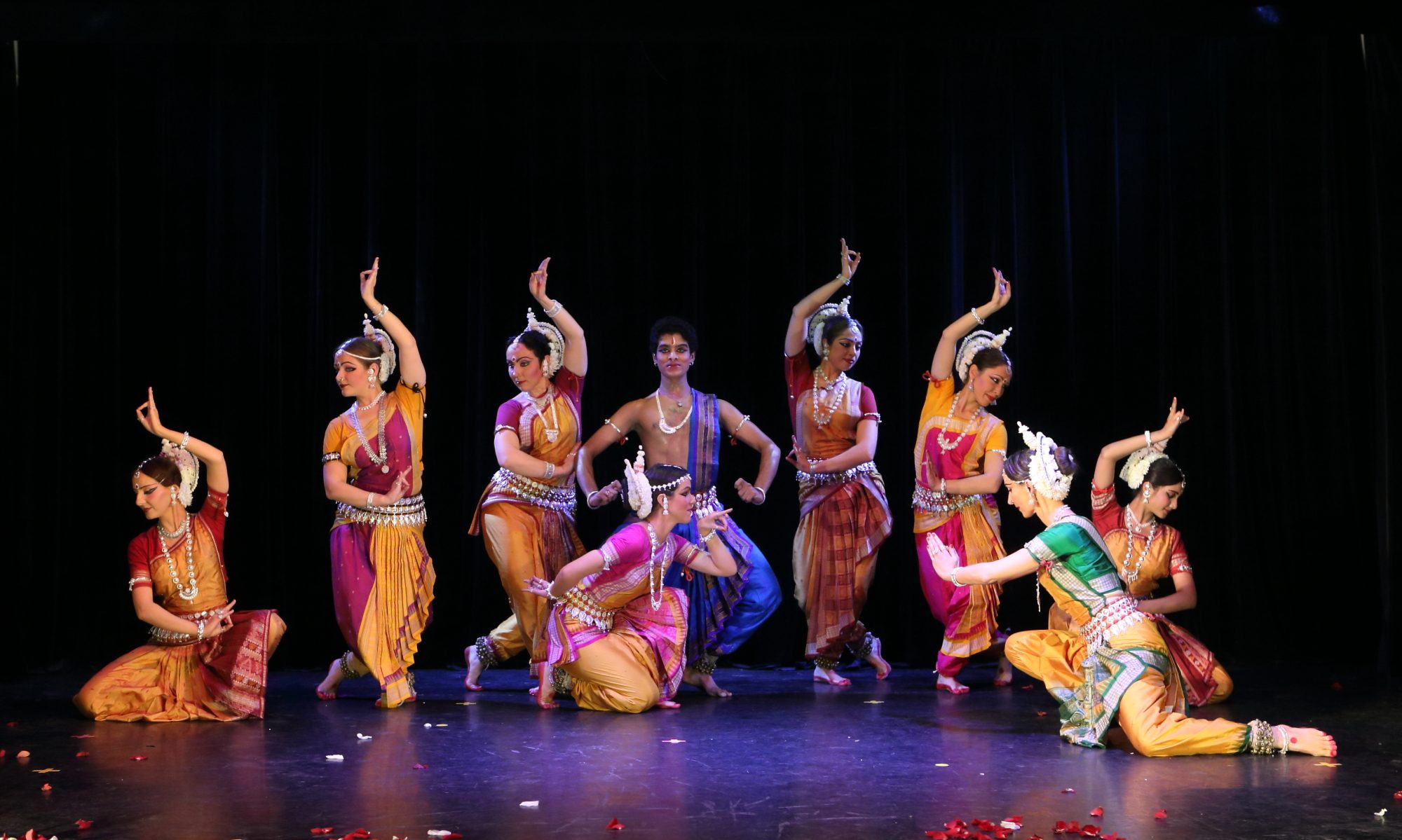

Музыка в Индии — часть божественного откровения, поэтому к ней относятся с трепетом и благоговением. Человек, который достиг путем самоотречения высокого уровня, должен развивать интеллект, чтобы увидеть или заново открыть истину, которая недоступна невежественным людям и известна мудрым. Индийская музыкальная теория — результат многовековой работы людей, которые чувствуют силу музыки и танца.
Музыка имеет огромную силу воздействия на человека, живую и неживую природу. В Индии было проделано множество экспериментов с музыкой, в результате чего появилась таблица влияний звуков на окружающий мир в разное время года. Позже стали изучать последовательности и комбинации звуков. Оказалось, что комбинации звуков могут производить коренные изменения в природе. Например, некоторые звуки возникают при определенной погоде и, как ни странно, воспроизведя эти звуки, можно соответствующим образом изменить погоду. В это трудно поверить, но это правда, и индийские музыканты неоднократно это демонстрировали. Несмотря на то, что в наши дни такие великие музыканты — большая редкость, те, кто знает секрет, могут делать подобные вещи в любое время.
То же самое делает фермер. Выращивая злаки, он руководствуется накопленным многими поколениями фермеров опытом. В указанное время года он сажает семена, поливает их и заботится о всходах, в конце-концов он получает горсть зерна. Никто не видит никакого чуда в этом, поскольку в своей работе он руководствуется естественными законами природы. Также и музыка, когда синхронизируется с природой, с определенным сезоном, днем, часом, она подтверждает всеобщий закон и производит желаемый эффект. Согласно древнейшим представлениям человека о мире, он подразделяется на четыре составляющих: огонь, воздух, вода и земля. В «саргаме1» все звуки имеют связь с этими четырьмя элементами и производят чистый или комбинированный эффект при помощи различных комбинаций звуков раги2.
Если какая-то рага поется или играется в нужный момент определенного дня, в нужном месте, человеком, музыкальные знания которого безупречны, результат бывает подобен чуду. Это согласуется с законом Ньютона, по которому «каждое действие имеет адекватную и противоположную реакцию». Подобно тому как природа производит различные звуки и вибрации в разное время года, так же и человек может, скопировав эти звуки и вибрации, в любое время года получать связанные с ними эффекты.
Это знание считается священным, поэтому не подходит для развлечения. Тщательное изучение этой науки требует самоотречения, это дело всей жизни. Из древних трактатов о музыке мы узнаем, что к ней относятся с благоговением. Индусы полагали, что музыка — это занятие богов, а также благочестивых людей с глубокими знаниями. Известно, что в древнеиндийской теории музыки существовало шестнадцать тысяч мелодий и триста шестьдесят талов (ритмических циклов). Это почти невообразимо для современного понимания. Бог Кришна был полностью опьянен собственной игрой на флейте и, когда он начинал петь, шестнадцать тысяч его пастушек следовали за ним, каждая пела свою рагу.
Впоследствии шестнадцать тысяч мелодий свелись к шести рагам. Каждая рага имеет свою рагини (женский вариант раги). У каждой рагини восемь «сыновей» и восемь «невесток» (дочерние варианты). Количество талов сократилось до девяноста двух. Во время правления императора Акбара3 придворный музыкант Тансен провел трудоемкое и скрупулезное исследование этой удивительной науки. Он чувствовал, что некоторые старинные суждения неточны, и после долгих наблюдений определил отличительные признаки и характеристики каждой мелодии и революционизировал индийский музыкальный мир, указав надлежащий порядок мелодий. Он таким же образом поступил и с талами, сократив при этом их количество до двенадцати, но это не уменьшило значимости, красоты и утонченности каждой мелодии.
В южной Индии музыка имеет абсолютно другой характер, инструменты также сильно отличаются от северных. В южной Индии следуют древней музыкальной системе «нарада», которая имеет собственную историю и традиции. Вместо того, чтобы классифицировать мелодии и получить огромное количество раг и рагини, они просто составили семьдесят две раги или шкалы. Каждая шкала имеет имя, которое определяет ноту, на которой она построена. Всякая наука имеет несколько разделов, на санскрите они называются «анги», что значит части. Музыка в Индии подразделяется на «саптанга» — семь частей, они таковы:
Сур-адхайя -раздел, который трактует о тонах, включая полутона, полу полутона и т.д.
Тал-адхайя -раздел, повествующий о ритме.
Раг-адхайя — раздел, относящийся к мелодиям.
Аст-адхайя -раздел, описывающий музыкальные инструменты, такие как вина, ситар4, таос5, нафири, бансури6, шанкх7 и т.д.
Нирт-адхайя — раздел, касающийся танца.
Бхао-адхайя — раздел, занимающийся действиями и движениями в ритме танца или пения.
Артх-адхайя — раздел, посвященный пониманию мелодий и ритма.
В индийской музыкальной традиции также существует 7 нот (сур). Каждая имеет свое название: кхарадж или шарадж, ришабха, гандхара, мадхьяма, панчам, дхайват, нишад. Все вместе они называются саргам. Для простоты каждую ноту обозначили аббревиатурой: са, ре, га, ма, па, дха, ни. Все ноты имеют обширную характеристику, в которой им придаются человеческие качества. Как люди, ноты имеют характер, костюм, цвет лица. Некоторые ноты связаны с каким-то временем года или с определенным периодом человеческой жизни.
Ноты с «горячим» темпераментом имеют мистическое свойство излечивать больных ревматизмом или другими подобными болезнями. Каждая из семи нот находится под покровительством определенного божества.
Кхарадж или са. Эта нота находится под защитой Агни8 и так же как панчама не имеет тивра (диез) или комаль (бемоль).
Она связана с первой небесной сферой и планетой, именуемой Камар (по-арабски — луна).
Ее характер радостный.
Имеет эффект холода и влаги.
Цвет лица — розовый.
Прекрасные белые одежды с искусно выполненым орнаментом.
Этот звук похож на крик павлина.
Нота доминирует в голосе семидесятилетнего человека.
Эта нота гармонична во всех рагах и рагини.
У этой ноты есть 4 сураты (обертона), а именно: тивра, камодвати, манда и чхандовати.
Ришабха или ре. Эта нота находится под покровительством Брахмы.
Она связана со второй небесной сферой и планетой, именуемой Ретарид (по-арабски Меркурий).
Ее характер радостный.
Имеет холодный, сухой эффект.
Цвет лица бледно-зеленый.
Красные одежды с красивым орнаментом.
Жаркое время года.
Этот звук напоминает крик птицы папиха.
Нота доминирует в голосе шестидесятилетнего человека.
Эта нота гармонична в мелодиях дес, канхара и т.д., и неприятна в малкаус, хиндол и т.д.
Имеет 3 сураты: дайявати, ранджани и рактика.
Гандхар или га. Эта нота находится под покровительством богини Сарасвати.
Эта нота имеет и бемоль и диез.
Она связана с третьей небесной сферой и планетой, именуемой Зухра (по-арабски Венера).
Характер грустный.
Имеет холодный и влажный эффект.
Цвет лица оранжевый, одежда пурпурная.
Звук напоминает крик гуся.
Она приятна в мелодиях калингра, кхамах и т.д. и довольно неприятна в саранга.
Она имеет 2 сураты: севе и кродхи.
Мадхьям или ма. Эта нота находится под покровительством Махадева. Она имеет бемоль и диез.
Она связана с четвертой небесной сферой и планетой именуемой Шамс (по-арабски солнце)
Характер беспокойный
Дает теплый, сухой эффект.
Цвет лица бледно-розовый. Одежда красно-черная с замысловатым орнаментом.
Дождливое время года.
Этот звук напоминает крик журавля.
Нота доминирует в голосе сорокалетнего человека.
Она приятна в малкаус, бхайрон и т.д. и неприятна в кальян.
Она имеет 4 обертона: ваджрика, прасарини, прити, марджини.
Панчама или па. Эта нота находится под покровительством богини Лакшми.
Она связана с пятой небесной сферой и планетой, именуемой Маррикх (по-арабски Марс)
Характер страстный.
Эффект теплый и сухой.
Цвет лица красный, одежда желтая.
Дождливое время года.
Этот звук напоминает крик птицы койял9.
Нота доминирует в голосе тридцатилетнего человека.
Она приятно звучит в мелодиях тоди-асаоре и довольно неприятно в малкаус, хиндол и т.д.
Она имеет 4 обертона: рагата, сандипани, алапни и рохити.
Дхайвата или дха: Эта нота находится под покровительством бога Ганеши10.
Имеет бемоль и диез.
Она связана с шестой небесной сферой и планетой Мштари (по-арабски Юпитер).
Характер уравновешенный
Дает теплый и прохладный эффект
Цвет лица желтый. Одежда ярко-красная с приятным орнаментом.
Холодное время года.
Образуется с помощью неба
Этот звук напоминает лошадиное ржание.
Нота доминирует в голосе двадцатилетнего человека.
Она гармонична в билавал, алайя и т.д. и неприятна в зилаф, джогийя и т.д.
Имеет 3 обертона: мандати, рохини, рмйя.
Нишад или ни: Эта нота находится под покровительством Сурьи, бога солнца.
Она имеет бемоль и диез.
Она связана с седьмой небесной сферой и планетой Захаль (по-арабски Сатурн)
Характер веселый и страстный.
Эффект холодный и сухой
Цвет лица темный, одежда черная с орнаментом.
Холодное время года
Похожий звук издает при помощи хобота слон.
Эта нота доминирует в голосе десятилетнего ребенка.
Она гармонична в бихаг, парадж и т.д., и довольно неприятна в соратх.
У нее два обертона: угра и шобхини.
Виды нот
Практически невозможно сухим и точным языком теории выразить ту исключительную гармонию, которая в индийской музыке строится на оттенках тонов. В индийской музыке существуют тон, полутон, четверть тона и одна восьмая тона. Различие между этими звуками настолько тонкое и неуловимое, что прежде, чем вы успеваете опознать один звук, он переходит в другой, формируя красивые модуляции и неожиданные каденции. Эти виды тона имеют отношение к суратам, о которых мы говорили выше.
Основное звучание ноты — без бемоля (комаль) и без диеза (тивра) — называется шудх сур. Существуют три звука более высоких, чем шудх и три — более низких. Вместе они составляют семь звуков в одной ноте.
Таам Тивра — на 3 единицы выше чем шудх сур
Та Тивра — на 2 единицы выше чем шудх сур
Тивра — на 1 единицу выше чем шудх сур
Шудх сур
Комаль — на 1 единицу ниже чем шудх сур
Ати комаль — на 2 единицы ниже чем шудх сур
Шикари — на 3 единицы ниже чем шудх сур
Европейский диатонический звукоряд будет иметь следующие соответствия:
Са — Чандовати
Ре — Рактика
Га — Кродхи
Ма — Прити
Па — Альпани
Дха — Мандати
Ни — Угра
Саптак (октавы)
Семь нот по порядку — музыкальный алфавит, который в Индии называется Саргам, составляют октаву. Существует пять октав. Самая низкая октава называется мандра тар саптак. Низкая октава — мандра саптак, ноты этой октавы поются животом. Средняя октава называется макдхьям саптак, ноты этой октавы поются горлом. Высокая октава называется тар саптак. Самая высокая октава — тар тар саптак или атитар саптак.
Профессиональный певец должен уметь петь три октавы по порядку, называемому арох (от самой низкой ноты до самой высокой) и в обратном порядке (аврох).
Разум и музыка
Индийское учение об эмоциях нередко связывают с искусством через формы выражения «раса». Это понятие индийской психологии, которая признает роль подсознательной и этнической памяти (инстинктов) и называет их «васана» и «санскара». Эти силы образуют ядро личности и отвечают за основные мотивации человеческого поведения; это не только этническая память, но также и индивидуальная память обо всех бесчисленных перерождениях.
Слово «раса» обычно переводят словом «чувство» или «вкус», однако более внимательный подход не дает возможности так легко объяснить это понятие. Часто используют выражение «эстетическое переживание». Однако предпочтительно полностью избегать коннотаций, связанных с настроениями и чувствами и переводить это слово как «эстезис». Это существенное различие, хотя и очень тонкое.
Хотя раса сама по себе — не есть возбужденное состояние мозга, эмоциональные аспекты поведения зависят от этого субстрата. Не так легко найти в западной психологической терминологии точные эквиваленты для названий этих различных факторов. Индийская традиционная психология настолько отличается от европейской, что такие сопоставления как правило оказываются нелепыми. Тем не менее, выражение понятий древней традиции на современном языке необходимо, так как помогает лучше их понять.
С точки зрения традиционной индийской психологии в основе эмоциональных реакций лежат следующие факторы:
Бхав — это те состояния сознания, которые обычно называют эмоциями. Считается, что «бхав» бывает двух видов.
стхай бхав — постоянные эмоции;
санчари бхав — временные, преходящие настроения.
Различие между стхай и санчари — в том, что первые являются более длительными и общими для всех индивидов, вторые — более мимолетны и определяются индивидуальными особенностями. Согласно общепринятым теориям, существует девять видов стхай и тридцать семь видов санчари.
Вибхав (детерминация) — причины эмоциональных реакций. На языке современной терминологии мы бы назвали их стимулами. Сами вибхав подразделяются на две категории:
Аламбан — лицо, предмет или идея, являющиеся стимулами;
Удипан — ситуация, которая является контекстом для того или иного типа поведения;
Анубхав (последствие) — ответные реакции. Поскольку индийская теория эмоций напрямую связана с драматургией, это понятие обычно связывают с формами внешней выразительности.
Саттвабхав (непроизвольные ответы) — телесные знаки эмоций, в которые включаются как внешние, так и внутренние ответы на вибхав.
Хотя раса практически идентична эмоциям, это в то же время и осознание эмоциональной ситуации в целом. Переживание раса абсолютно и может быть познано только путем эмпатии, т.е. путем вхождения в ощущение постоянного эмоционального лейтмотива. Нет такого объекта, который не мог бы вызвать раса в человеке. Поскольку раса в конечном счете — созерцательное состояние ума, считается, что существует девять [видов] эмоциональных состояний:
Шрингар — эротическое
Хасья — комическое
Каруна — патетическое
Рудра — грозное
Вира — героическое
Бхайанак — боязливое
Адбхут — удивленное
Шант — умиротворенное
С древних времен делались попытки связать эти виды раса с музыкой. Бхарата11, например, предполагал, что каждая нота имеет определенный характер: са — героический, ре — гневный, ма — веселый, па — эротический и т.д.
В наше время считается, что раги связаны с определенным настроением. Мелодии группы кхамадж считаются эротическими, а мелодии с комбинациями ма — дха выражают грусть и усталость. Нет сомнения, что ноты и их комбинации на самом деле имеют отношение к настроению, поскольку чувство, возникающее при прослушивании гармоничных звуков, резко отличается от чувств, возбуждаемых дисгармоничными звуками. Высота ноты, мелодия, темп и многие другие факторы также оказывают свое влияние.
Проводились научные эксперименты, в ходе которых выяснилось, что мелодические фразы раг действительно способствуют возникновению у слушателей определенного настроения. Например:
Кафи — эмоционально насыщенный, влажный, прохладный, успокаивающий эффект, не вызывает беспокойства.
Мидхар Манд — приятный, веселый, освежающий эффект, не вызывает беспокойства, нет ощущения новизны.
Пурия Дханашри — душистый, многоцветный, глубокий, отягощающий, отражает стабильность, туманный, священный, нет жизненной силы.
Рагешри — насыщенный, успокаивающий, глубокий, утомляющий, темный, нет чувства новизны, жесткий, стабильный, спокойный.
Принципы тхата
Все ноты тхата должны идти в определенном порядке.
В тхате ноты комаль и тивра могут идти одна за другой.
Тхат не всегда может быть приятным для слушателей.
Принципы раги
Рага должна относиться к одному из тхатов и содержать не менее пяти нот.
Две ноты типа комаль и тивра не могут следовать одна за другой, хотя это разрешено в тхате.
В раге ноты па и ма не могут понижаться одновременно.
Ноты в раге должны быть фиксированы, комбинации нот должны идти либо по порядку арох, либо — аврох.
В раге должна быть одна доминирующая нота, которая называется «вади», следующая нота называется «самвади», обе эти ноты зависят от тхата, на котором строится рага и времени, когда рага должна исполняться. В раге также может быть анувади (нота, усиливающая вади) и «вивади» (нота, пришедшая из другой традиции исполнения, в которой эту рагу относили к другому тхату).
Рага должна привлекать и радовать слушателей.
Саргам — индийская семизвучная гамма.
Рага — музыкальная схема, которая является основой для построения музыкальной композиции. Рага имеет от пяти до двенадцати нот по восходящей и нисходящей гамме.
Акбар, Джелаль ад дин (1542-1605) с 1556г. правитель Могольской империи в Индии.
Ситар — классический струнный щипковый инструмент, наиболее распространен в северной Индии.
Таос — духовой инструмент.
Бансури — индийская флейта.
Шанкх — спиральная раковина, используется в Индии в качестве духового инструмента.
Агни — бог огня.
Койял — индийская кукушка.
Ганеша — бог мудрости и учености, покровитель искусств, сын Шивы и Парвати. Обычно изображается с головой слона.
Бхарата — легендарный мудрец, предполагаемый автор трактата о театре «Натьяшастра».