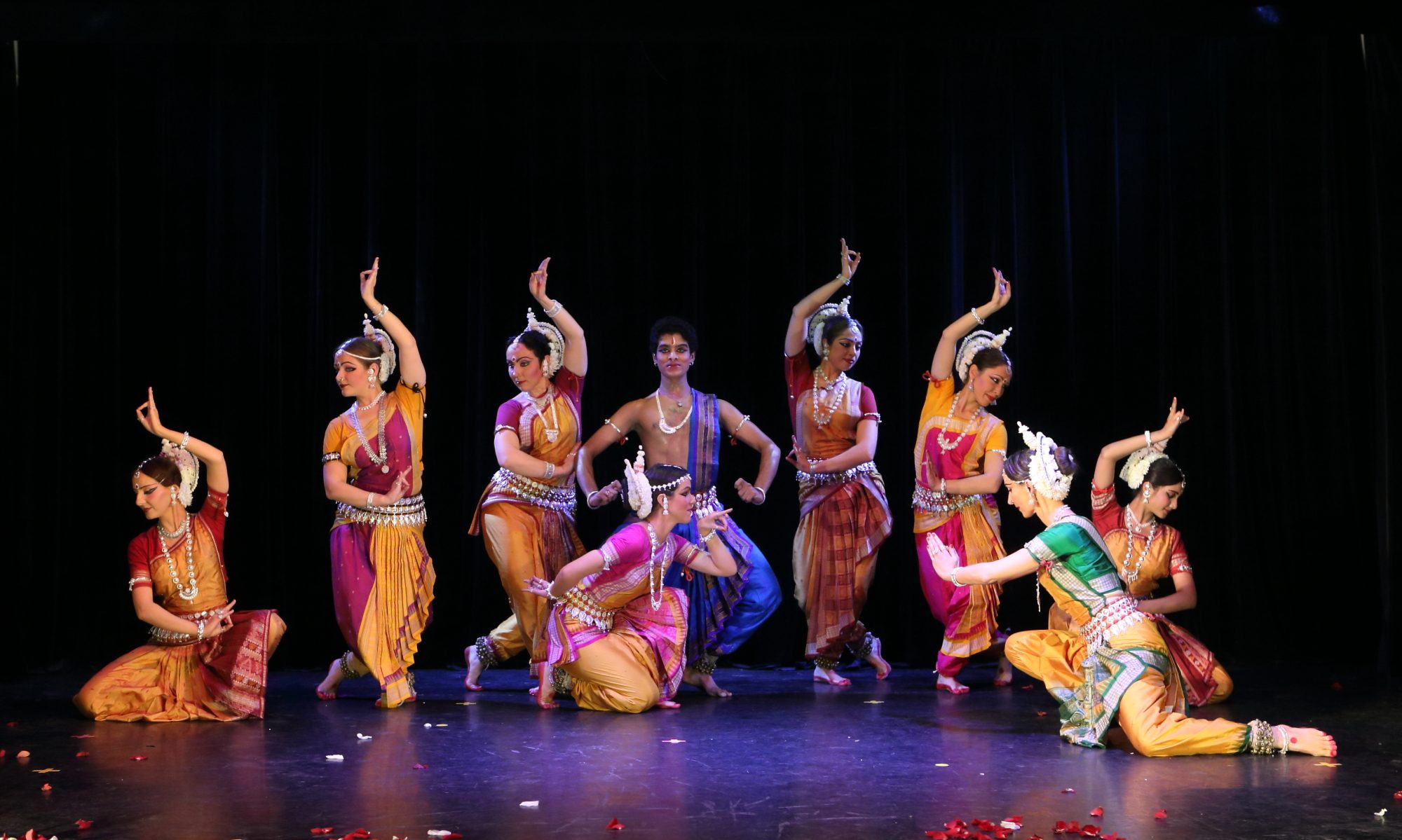
Слово «катхак» используется в Брахма Махапуране в значении танцор, актер, певец. Это слово можно найти также в Махабхарате и Натьяшастре. На древнем языке пали слово «катхако» обозначает «объяснение». В непальском языке слово «катхико» значит «тот, кто объясняет» или «учитель».
При раскопках в Мохенджо-Даро и Хараппе были найдены статуэтки, изображающие танцующих людей. Их позы и жесты очень напоминают позы и жесты катхака.
Древнейшая из известных нам индийских книг об искусстве — «Натьяшастра», написанная Бхаратой около 500г. до н.э. После этого появился «Сангит Ратнакар» — трактат в основном посвященный музыке, он был написан Шаранг Дэвом в 13 веке. В нем также встречается слово «катхак». В главе, рассказывающей о танце (Нритьядхай) написано:
Катхака Бандиншчатра Видьяванта Приямвада Прашансакушлашчанье Чатура Сарвамтушу
Что значит: «Тот, кто объясняет буквы, человек образованный, приятный, говорящий вежливо. Тот, кто умеет объяснять, человек благородного происхождения, т. е. Брахман, искусный в стихосложении и рассказе — это катхак».
Давным-давно, когда наты, бхараты и кушилавы рассказывали религиозные и мифологические истории при входе в храм при помощи танца и музыки, у них было высокое положение в обществе. Позднее недостойное поведение некоторых из них стало причиной их деградации и осуждения обществом и изгнания. Через некоторое время им удалось вернуть свои позиции, они снова стали принимать участие в религиозных церемониях. Большинство из них было брахманами, они жили строгой религиозной жизнью. Вскоре они вновь обрели имя, положение и богатство. Некоторые термины катхака, такие как «таткар», «гат» использовались в древних трактатах по музыке и танцу: «Сангит Дарпан», «Сангит Макранд» и «Кохал Рахасья».
Мусульманское влияние на катхак
Мусульманское правление в Индии продолжалось более 800 лет.
Все мусульманские короли привозили танцоров, поэтов, музыкантов и других деятелей искусства из Персии и других арабских стран. Чтобы укоренить свое искусство в Индии они использовали различные методы:
Индийская музыка и танец были очень тесно связаны с индийской религией, поэтому мусульмане разрушали индуистские храмы, книги об искусстве были уничтожены.
Были изменены индийские инструменты. Например, табла была создана следующим образом: индийский барабан пакхавадж был разделен на две части, при этом на каждой из них использовалась разная техника игры. Поэтому даже лучшие музыканты, игравшие на пакхавадж, не могли соревноваться с новыми исполнителями, и тем отдавалось предпочтение при королевском дворе.
Прекратилась финансовая поддержка индусов. Их заставляли менять религию и имя, они были унижены перед персидскими деятелями искусства.
Хороших учителей и танцоров заставляли танцевать для короля, не для бога. Духовная ценность танца игнорировалась и уделялось внимание только материалистическим ценностям. Исполнителей заставляли танцевать с бокалом вина в руках и предлагать его королю. Если во время танца вино проливалось на землю, танцора и его учителя жестоко наказывали. Если танцор выступал успешно, он получал награду и почет от короля. В результате в танце акцент ставился на работу ног, в то время как корпус должен был оставаться практически неподвижным. Исполнители в основном демонстрировали любовные сцены из жизни Радхи и Кришны, которые соответствовали низменным потребностям короля и его придворных. С другой стороны были заимствованы многие жесты из арабских танцев. Больше внимания теперь уделялось движениям запястий, звучанию гхунгру, выражению лица танцора.
Королю было трудно произносить индийские слова, поэтому вся терминология танца была переведена на урду. Персидская литература также оказала влияние на катхак. Газель, рубай, тарана — эти композиции были добавлены в катхак и являются важной его составляющей до сих пор.
Танец и музыка при дворе исполнялись вместе с цирковыми и магическими представлениями или другими низшими формами искусства. Например, можно увидеть рисунки, созданные в период с XIV по XIX вв., на которых придворные одновременно наблюдают цирковое представление и танец.
В этот период начинают образовываться различные школы катхака, которые известны как «гхараны». Индийские и мусульманские короли и навабы в различных штатах поддерживали разных артистов, и танец менялся согласно настроению спонсора. Основные течения сформировались в трех городах, по которым и были названы гхараны катхака. В городе Джайпур индийские короли поддерживали катхак, ориентированный на тандава. Таким образом возникла джайпурская гхарана. Наваб Ваджид Али Шах, который и сам был хорошим танцором, пригласил много учителей и танцоров катхака в город Авадху, позже известный как Лакнау. В этой традиции наибольшее внимание уделяли ласья. Мусульманское влияние здесь очень заметно. Нежность и элегантность считаются особенностью этой школы. Она известна как Лакнау гхарана. Третья гхарана была создана в Банаресе.
Биографии исполнителей катхака
Аччхан Махарадж
Он был старшим сыном покойного Калка Прасада. Его настоящее имя было Джаганнатх Мишра. Он был известен как Аччхан Бхайя (Хороший Брат). Этому танцору не было равных во владении бхава (изображении чувств в танце). Он прекрасно понимал тал, лайа. В жизни он был непосредственен как дитя, и всем запомнился простым и добрым человеком. В основном, он показывал в танце истории из жизни Кришны. Высокой технике танца не мешала даже полнота исполнителя. Он мог изобразить женщину любого возраста в любой ситуации. Аччхан Махарадж любил говорить: » красота — это магия движений глаз и лица». Когда бы к нему ни приходили, он был занят сочинением новой композиции. Он очень любил своих младших братьев Лачху Махараджа и Шамбху Махараджа и с большим энтузиазмом помогал им изучать катхак. В то время ни один танцор не мог выполнять таткар так быстро, как он это делал. У него был один сын, Бридж Мохан Мишра, теперь известный как Пандит Бирджу Махарадж. Аччхан Махарадж умер в 1944г. В это время его сын был еще очень юным. Теперь он известен каждому как легендарный исполнитель катхака.
Анурадха Гуха
Кумари Анурадха Гуха — известная танцовщица, ученица покойного Шри Шамбху Махараджа. Она получила признание и в Индии и за ее пределами. С самого юного возраста у нее было желание заниматься классическим танцем и музыкой. Дома, как только у нее появлялось свободное время, она надевала гхунгру и начинала танцевать. Родители, поняв ее стремления, отвели ее к гуру Шри Шамбху Махараджу.
Наряду с танцем, она изучала вокал у Шри К. С. Дей. Уже в возрасте 8-9 лет, Анурадха Гуха могла петь различные композиции в течение 2-3 часов. Сначала она обучалась у Шри Налин Гангули, который был учеником Шри Аччхан Махараджа, потом получала дальнейшее образование у Шри Шамбху Махараджа.
Эта талантливая танцовщица из индийского штата Бенгалия в самом раннем возрасте выступала во многих штатах, таких как Бихар, Бенгалия, Ассам и т.д.
Картик Рам — Кальян Дас
Они родились в деревне Мханвармал в Биласпуре в 1910г. Ничто не могло разлучить их. Оба они жили душа в душу. Изначально их обучал Пандит Шивнарайян, потом Шри Джайпал; Лаччху Махарадж и Шамбху Махарадж также дали им знания о катхаке. Картик Рам и Кальян Дас были специалистами в народных танцах, что помогло им найти творческий подход к катхаку. Король Райгарха оказывал им финансовую поддержку. Он также помог им в обучении музыке. Известные музыканты Шри Джайлал и Шри Аччхан Махарадж обучали их пению. Во время правления короля Чаккрадхара Сингха никто не мог сравниться с Картиком Рамом и Кальяном Дасом в танце. Теперь мало кто помнит о них. Позже они работали преподавателями в Индра Кала Сангит Видьялайа, Кхайрагарх и в Чаккрадхар Нритья Кендра, Бхопал.
Кундан Лал Гангани
Он был последователем джайпурской традиции. Его обучал танцу дядя, Шри Нарайян Прасад. Когда Нарайян Прасад уехал в Райгарх, Кундан Лал Гангани поехал вместе с ним. Затем он поехал в Бомбей и в течение 15 лет обучал там студентов. Многие его ученицы стали впоследствии известными киноактрисами. Например, Сварнлата, Паро и Забин. В 1953г. он был одним из руководителей отделения танца в Университете Барода. Он умер 16 июля 1984г.
Кумудини Лакхья
Кумудини Лакхья начала свою карьеру, в то время как катхак терял свою репутацию и интерес к нему падал. Рам Гопал, знаменитый танцор тех дней, взял ее в свою труппу для выступлений заграницей. В этом турне она получила признание в Европе и Америке. Они выступали на фестивале в Эдинбурге в 1956г., показывали » историю Тадж-Махала». Кумудини Лакхья изучала катхак под руководством гуру Радхе Лал Мишры (джайпурская школа), Ашика Хусейна, Сундера Прасада. Она получила национальную стипендию Министерства культуры, что помогло ей продолжить обучение у гуру Шамбху Махараджа. Она работала с Пандитом Бирджу Махараджем. Все артисты, работавшие с ней, отмечали ее творческое мышление. Она основала институт «Кадамб» в городе Ахемдабаде, после того как вышла замуж за Шри Раджни Лакхью. Она также поддерживала связь с Шри Рам Бхартья Кала Кендра. В 1980г. Кумудини Лакхья была награждена премией штата Гуджарат за заслуги в музыке и танце, а в 1982г. получила награду от Национальной академии музыки и танца в Индии.
Махарадж Кришна Кумар
Он был последователем гхараны джанкипрасад банаресской школы. Его отец, Пандит Гопал, и дядя, Хануман Прасад, были известными исполнителями катхака. Вначале он изучал музыку у Ханумана Прасада, потом у Ашика Хусейна.
М.Р. Кальянпуркар
Шри Манохар Рао Кальянпуркар вначале изучал естественные науки, но бросил университет и начал заниматься катхаком. Он учился у гуру Сундер Прасада, Шри Аччхан Махараджа и Шри Шамбху Махараджа. В 1937г. он основал собственную школу в Лакнау. В 1939г. он был заместителем главы отделения индийских классических танцев в Мерис Миу Колледже в Лакнау. Он был прекрасным танцором и выдающимся преподавателем. Он создал множество новых композиций, кавитов (стихотворений, иллюстрируемых танцем). Он поставил много танцевальных спектаклей, таких как «Шакунтала», «Мальтимадхав», «Мегхадут», «Викраморвшиям» и «Война и мир». Он был членом комитета по выбору претендентов на национальную стипендию в области танца.
Нира Батра
Она изучала катхак у гуру Мунна Шукла (лакнау гхарана) и у Шри Кундана Лала Гангани (джайпурская гхарана). Теперь она обосновалась в Дели, где работает в области катхака.
Нилима Азим
Она была внучкой известного писателя и деятеля кино Кхвазы Ахмада Аббаса. Начальное образование в области катхака ей дал Шри Реба Видьяртхи. Позже гуру Мунна Шукла и Пандит Бирджу Махарадж приняли участие в ее дальнейшем обучении. Она всегда была восприимчива к новому в танце и сейчас снимается в телевизионных сериалах и фильмах.
Прия и Пратап Павар
Муж и жена, оба — студенты Пандита Бирджу Махараджа. В 1973г. они уехали в Джорджтаун в Америке и преподавали катхак в Индийском культурном центре до 1977. Позднее они некоторое время работали в Катхак Кендре в Дели. В настоящее время они обосновались в Лондоне и постоянно преподают катхак там.
Према Шримали
Еще когда она была ребенком, родители поняли, что у нее есть талант, и отправили ее обучаться катхаку у Шри Кундана Лала Гангани из джайпурской гхараны. Она тщательно изучала индийские народные танцы. Она много путешествовала и исследовала раджастанские и цыганские танцы. Према Шримали всегда старалась экспериментировать с катхаком, создавать что-то новое.