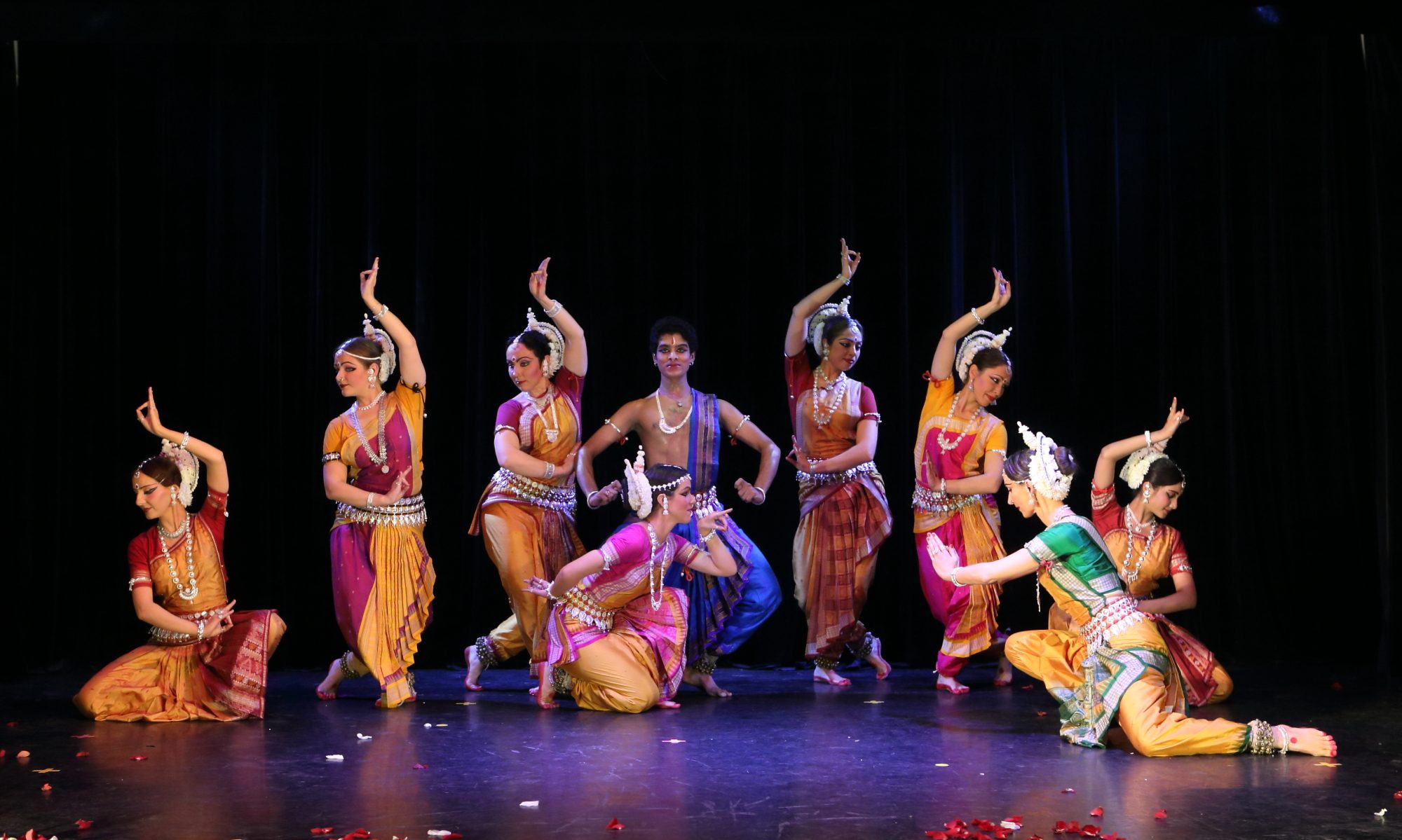

Гуру — означает старший или главный, а пуджа — это молитва, поклонение или почитание. В Индии Гуру пуджа — большой праздник для всех учреждений, связанных с культурой. Гуру пуджа отмечается ежегодно в полнолуние месяца саван по индийскому календарю. Саван приходится на сезон дождей. В день Гуру пуджи студенты выражают почтение своему учителю, преподносят подарки. Другими словами это индийский День учителя.
Мифологическое значение Гуру пуджи
Гуру, то есть учитель — самый важный человек в жизни любого из нас. Мать — это самый первый учитель. Когда ребенок начинает подрастать, он учится познавать мир, в котором живет. Он идет в школу, где встречает того, кто учит его жить и понимать окружающее. Для любого человека учитель это высшее существо. В индийских священных Ведах написано:
GURUR BRHAMMA GURUR VISHNU GURUR DEVO MAHESHWARA
GURUR SAKSHAT PAR BRHAMMA TASMAI SHRI GURUVE NAMAHA
Это означает: Учитель — творит, учитель — поддерживает, учитель — разрушает. Учитель -это земной Бог, которого мы можем увидеть, поэтому о, учитель, мы молимся тебе.
Гуру, старший и мудрейший среди нас, освещает нам путь к Богу.
В индийской мифологии творческий аспект Бога выражается божеством Брахмой. В качестве Вишну Бог поддерживает жизнь. Как Шива или Махеш Бог разрушает. Бог сотворил демонов, которые контролируют зло, и божества, которые контролируют добро. И у демонов, и у божественных существ есть учитель, который направляет их. Учитель божественных существ — Юпитер. Гуру пуджа считается днем рождения Юпитера. В этот день все божества приходят к нему, чтобы получить благословение. Они повязывают на руку «калава», специальную красную нить, которая является символом энергии, силы, связи между двумя людьми. Гуру Юпитер просит Бога защитить их и благословляет своих учеников.
Историческая справка
В школах древней Индии, которые назывались ашрамы или гурукулы, ученики вели суровую жизнь вдали от общества. Закончив годовой курс обучения в начале лета, они возвращались домой, чтобы помочь родителям со сбором урожая и другими домашними делами. Ученики возвращались в ашрам до начала сезона дождей с запасом еды, одежды, всего необходимого для обучения и подарками учителю, символизирующими уважение общества к ашраму.
В этот день начинался учебный год, произносили молитвы богине Сарасвати (богине мудрости и знаний). Нужно было подготовить все необходимое), молоко, йогурт, тулси, мучной прасад, ароматические палочки, сладости, для учителя — одежды, для ашрама — деньги. Учитель и ученик, оба с покрытыми головами, садились лицом друг к другу, ставили один другому тилак на лбу и повязывали на руку калава (мужчине — на правую, женщине — на левую). Затем они предлагали друг другу сладости. После этого ученик приносил подношение учителю, обычно это были сладости, цветы, одежда, деньги или что-то другое. Ученик подавал учителю свои гхунгру, тот благословлял их и просил Бога помочь ему и его ученику достичь всяческого успеха.
Во время завязывания калава ученик произносит гайатри-мантру:
OOM BHUR BHUVAS SWAHA TATS VITUR VARENIUM
BHRGO DEVASYA DHIMHI DHIYO YONAHA PRCHODYAAT
Во время пуджи произносят молитву богине Сарасвати:
YA KUNDENDU TUSHAAR HAAR DHAWLAA
YA SHUBHRA VASTRAVRITAAM
YA VEENA VAR DAND MANDIT KARA
YA SHWET PADMAASNA
YA BRAHMMA CHUTT SHANKAR PRBHRITIRBHIR
DEVAI SADA VANDITA
SA MAAM PAATU SARASWATI BHAGWATI
NIHA SHESH JADYA PAHA
В конце церемонии все молятся Богу. Эта молитва называется арти:
JAI JAGDISH HARE SWAMI JAI JAGDISH HARE
BHAKT JANO KE SANKAT SHAN ME DOOR KARE-OOM JAI
JO DHYAVE FAL PAVE DUKH BINSE MANKA
SUKH SAMPATI GHAR AAVE KASHT MITE TANKA-OOM JAI
MAAT PITA TUM MERE SHARAN GAHUN KISKI
TUM BIN AUR NA DUJA AAS KARU JISKI-OOM JAI
TUM PURAN PARMATMA TUM ANTARYAMI
PAAR BRHMHA PARMESHWAR TUM SUB KE SWAMI— OOM JAI
TUM KARUNA KE SAAGAR TUM PALAN KARTA
MAIN MURAKH KHAL KAAMI
MAIN SEWAK TUM SWAMI KRIPA KARO DEVA— OOM JAI
TUM HO EK AGOCHAR SUB KE PARANPATI
KIS VIDHI MILU DAYA MAIN TUMKO MAIN KUMATI— OOM JAI
DEENBANDHU DUKH HARTA THAKUR TUM MERE
APNE HAAT UTHAAO DWAAR PARO TERE-OOM JAI
VISHYA VIKAAR MITAAO PAAP HARO DEVA
SHRDDHA BHAKTI BADAOO SANTAN KI SEVA-OOM JAI
JO JAGDEESHWAR KI AARTI PREM SAHIT GAVE
KAHAT SHIVANAND SWAMI MANWANCHHIT FAL PAVE-OOM JAI
TWMEVE MATA CH PITA TWAMEVE
TWAMEVE BANDHU CH SAKHA TWAMEVE
TWAMEVE VIDYA CH DRAVINAM TWAMEV
TWAMEVE SARWAM MUM DEV DEVA
KARPOOR GAURAM KARUNAVTARAM
SANSAAR SARAM BHUJGENDREHAARAM
SADA WASANTAM HRIDYA RAVINDRA
BHAWAM BHAWANI SAHITAM NAMAMI