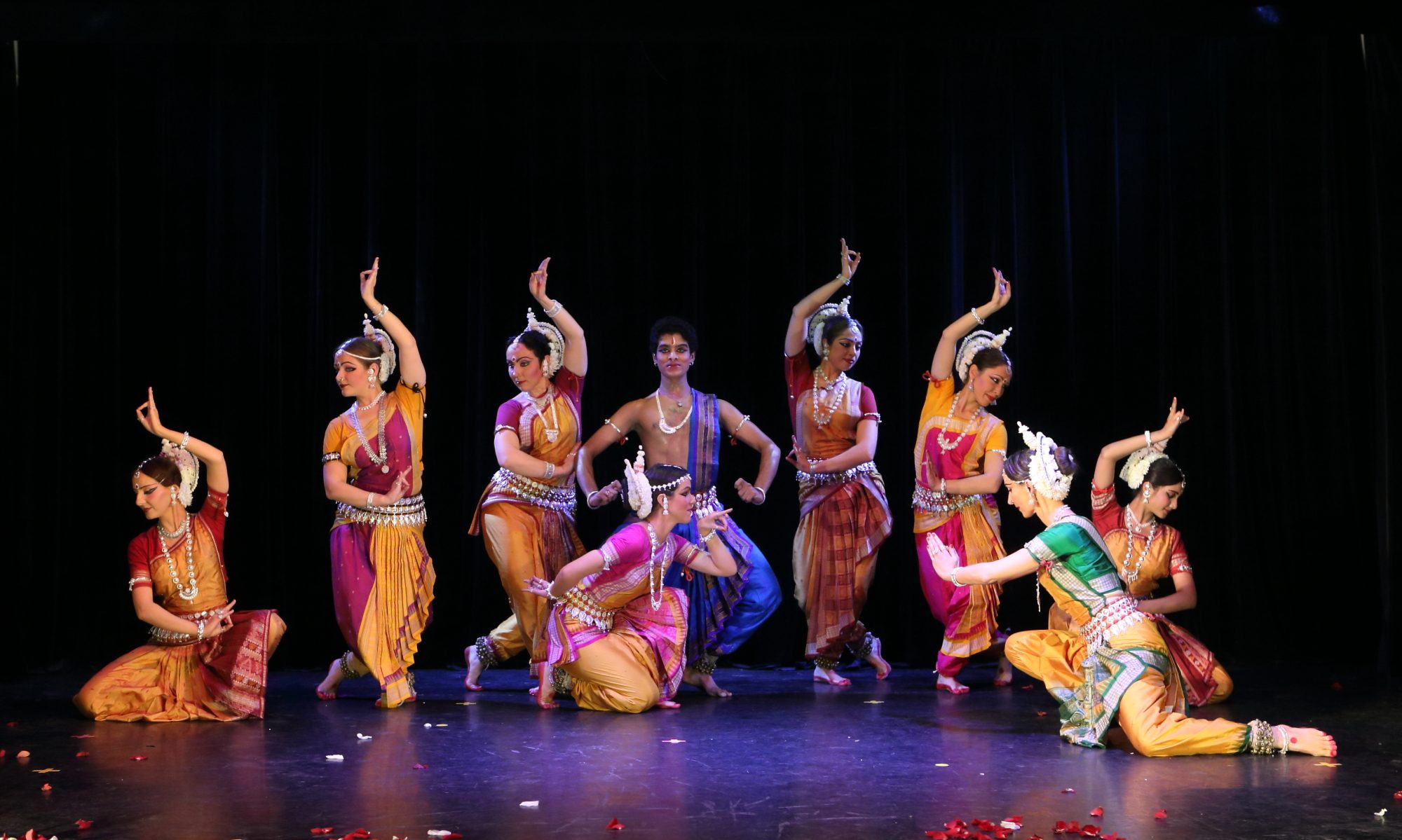
Природа всегда призывает человека танцевать и петь. Разнообразные движения зверей и птиц, игра морских волн на берегу, танец лепестков, овеваемых ветром — все заставляет людей двигаться в ритме танца природы.
Первоначально люди следовали побуждениям своего сердца и танцевали. Впоследствии появились особые формы и типы народного танца для различных сезонных праздников и обрядов. Они получили названия в соответствии с теми периодами и событиями, с которыми было связано их исполнение. Как правило танец, исполнявшийся по поводу свадьбы или рождения ребенка, назывался «Санскар Нритья». Танец, основанный на мифологических событиях, назывался танцевальной драмой, или Нритья Катха. Танец, имевший отношение к какому-то времени года, назывался Риту Нритья. Танец, исполнявшийся в какой-то из праздников, получил название Парва Нритья, или Утсав Нритья. Танец, посвященный богу — Адхъятмик Нритья.
Народный танец не имеет никаких фиксированных правил или установлений. Эта традиция передается из поколения в поколение практическим путем. Сила, которая за этим стоит, есть влечение сердца. Время от времени народный танец включал в свою палитру различные жесты из классического танца, акробатики, производственных движений и повседневной работы. Многие танцоры старались блеснуть сложным акробатическим трюком во время танца. Народный танец отличается свободой и открытостью, он всегда находится в становлении и остается привлекательным для всех.
В каждом штате есть свои народные танцы, и они так или иначе связаны с местными природными условиями и с местными праздниками. Ниже перечислены некоторые из народных танцев каждого штата:
Джамму и Кашмир: Роф, Бачан Гама, Кудд, Пхуммани
Химанхаль Прадеш: Банджара и Гадерия, Гхугхути, Лавнибгавали, Чурана
Сикким и Ладакх: Шапдох, Шонграхес, Кошенграхес, Шупларчес, Ньявоперчес, Чхам, Джабро
Манипур и Ассам: Лай-Хароба, Кабуи, Киртан, Раслила
Пенджаб: Бхангра, Джхумар, Гидда, Кики, Лудхи, Нати, Тхакури, Магел
Раджастан: Гхумар, Джхумар, Дандия, Расия, Валар, Дхол, Матка Нритья, Талвар Ка Нач, Саперо Ка Нач, Гиндар, Тератали, Качхи, Годи, Гаир, Каалбели, Бхавай Нритья
Гуджарат: Гарба, Свастика Рас, Манджира, Матки, Гарби, Рас
Махараштра: Типри, Гоф, Гаурича, Дхолача Нритья, Дашавтар, Накта Нач, Дера Нритья, Шанкхасур Нритья, Лезиям Нритья, Радха Нритья, Бхагат, Годхум, Пинга, Комбда, Кана, Джинджхота, Джимма, Лавни, Тамаша
Утар Прадеш: Пандав Нритья, Тихали Нритья, Джагар, Джхумело, Чхопати, Чайтипасара, Чхапели, Чанчари, Чаулийя, Раслила, Талрасак, Каджари, Холи, Данда (Чатта) Карма Нритья, Дивали Нритья или Дипак Нритья, Бхагат Нритья.
Бенгалия: Райванши, Дхали, Катхи Нритья, Латхи Нритья, Джхумар, Дхамайл, Арти, Врат Нритья, Киртан Нритья
Орисса: Гхумура, Бхуйя, Джонг, Карма, Конд Нритья, Мудийя Нритья
Бихар: Рамлила, Киртания, Кунджваси, Бхагата, Пуджа, Арти, Сатури, Браджваси, Ваншилал, Кадамлила, Наглила, Натва
Мадхья Прадеш: Пали, Бхаули, Навтали, Джоди, Пхулпати, Гарба
Керала: Сангхкали, Курияттам, Тхуллал, Якшаган
Тамилнаду: Курванджи Нритья, Карагам, Кавди, Нарьял Кавди
Андхра Прадеш: Кучипуди, Уппувадьям, Матхури, Кумми, Колаттам, Ченчу, Гадава, Конд
Майсур: танец урожая Кург, Чакке и Джаде Колатт, Пукхиаттам
Андаман и Никобар: Байронг, Джонгир, Легонг, Рангда, Танец Семи Дочерей
Народные танцы можно распределить по трем категориям:
Адиваси Нритья (танцы племен) — принадлежат отдельным племенам и народностям в сельской местности;
Граминд Нритья (деревенские танцы) — танцы деревни и танцы людей низших каст, обычно необразованных.
Шехри Нритья (городские танцы) — массовые танцы на различных праздниках и по другим поводам, исполняемые жителями городов; эти танцы не являются ни классическими, ни народными в чистом виде, но представляют собой смесь обоих направлений. Как правило они хорошо продуманы, имеют богатое музыкальное сопровождение, нередко с использованием западных музыкальных инструментов. Пример такого рода танца — танцы Дандия, исполняемые по поводу Навратри Гарба в Гуджарате.