Известный древнеримский философ Цицерон писал: «Драма — есть зеркало жизни цивилизации, отражающее уровень образованности людей и степень их духовного развития».
Драма является основополагающей составляющей индийского классического танца, ведь выразить любые чувства можно только посредством движений тела и лица, а если к этому добавить литературу и музыку, то действие на человеческое сознание усиливается.
В обычной жизни, часто, используя некие жесты, или физические действия мы снимаем стрессы и освобождаемся от плохих эмоций, что приводит к душевному равновесию и спокойствию. Это свойство человеческого организма было замечено индийцами еще в древности, и они стали использовать элементы танца своих ритуальных церемониях. Танец это одна из форм йоги, помогающая сохранять кровяное давление в норме, увеличивающая физическую силу и выносливость организма, успокаивающая нервную систему, дающая человеку возможность понять жизнь на более глубоком уровне.
Даже если человек не хочет стать профессиональным танцором, регулярные тренировки способствуют развитию самоконтроля, как физического, так и эмоционального, что приводит человеческое тело в баланс с природой.
Если человек совершает физическое действие в определенном ритме, то это называется упражнение. В этом случае энергия человека несет внутренний характер. В случае же, когда физическое действие совершается с подключением чувств и эмоций человека, характер энергии меняется, и она начинает действовать не только на него самого, но и на окружающих его людей, то если имеет тенденцию выхода. В обоих случаях речь идет об упражнении, но из-за изменения характера энергии, эффект от него абсолютно разный.
Когда мы на седьмом небе от счастья — это не что иное, как танец, ведь если человеку не хватает средств чтобы выразить свои эмоции, он прибегает к помощи жестов и абстрактных движений.
Можно предположить, что в древности люди выражали себя двумя способами:
посредством движений рук и тела
с помощью наскальных рисунков.
Эти движения не были систематизированы, да и чувство музыки было развито слабо. Инструменты были очень простые, использовались камни, кости животных и деревянные палки. Ими отбивали ритм, а люди двигались в такт. Так родился первый, хотя и примитивный танец. Позже в аккомпонимент танца было включено групповое пение.
Танец стал неотъемлемой частью жизни людей, они танцевали от радости после хорошей охоты, чтобы привлечь партнера, танец был лучшим способом выражения своих чувств и эмоций.
Со временем все значимые события в общине, как жатва, охота, свадьба, рождение ребенка и т.д., отмечались групповыми танцами.
Революцию в танце произвела концепция Бога, и танец приобрел новый — сакральный смысл. Через танец люди пытались ублажить Бога, просили его дать хороший урожай или послать дождь. Появилась и новая форма танца — жертвоприношение.
Ритуальные и обрядовые танцы не имели правил и священных книг, которые регулировали бы их. Каждый участник танцевал, так как хотел или все люди повторяли движение за старшим и уважаемым человеком в общине.
Постепенно люди стали уделять все больше и больше внимания движениям и жестам. Танец начинался медленно и заканчивался в очень быстром темпе. Увеличилось количество инструментов, сопровождающих танец. Они играли очень важную роль в создании атмосферы и могли выразить особенности отмечаемого танцем события.
Танец — это искусство выражения себя. Когда человек повторяет какое-то действие с ритмом и чувством, это может считаться танцем. До того времени, когда сформировался язык, человек, общался посредством рисунков, мимики, жестов, а также при помощи различных звуков. Древние пещерные люди жили общинами и каждое значимое событие, например, охота, рождение ребенка, смерть — сопровождалось неким действом со звуками и движениями тела.
Со временем наскальные рисунки привели к рождению резьбы по камню, звука к музыке, мимики и движения тела — к танцу. Музыка всегда была значимой(важной) составляющей танца. Постепенно человек научился земледелию и скотоводству, и его связь с природой стала еще теснее.
‘Nritymeiyan Iagaf ‘- известное изречение на санскрите означает » Природа полна танца «. Луна вращается вокруг земли, земля вращается вокруг солнца. Морские волны отбивают бессмертный ритм об острова и континенты. Смена времен года — это тоже бесконечный, никогда не останавливающийся ритм. Все это открыло человеку простую истину, если хочешь выжить — подстройся под общий ритм природы.
Когда человеку не хватает слов чтобы выразить свои чувства, он начинает жестикулировать. То есть когда чувство достигает своего пика автоматически, человек или любое животное существо начинают изъясняться движениями тела, мимикой, жестами. На пример человек начинает прыгать от радости, сжимать кулаки от гнева, ходить взад и вперед, когда он раздражен. Часто у животных и птиц во время брачных игр, самец выделывает не вообразимые акробатические трюки, что же можно считать еще одной формой танца. Любовь, ненависть, гнев, печаль, волнение являются теми чувствами, которые обычно выражают посредством танца.
С ранних времен человек понял, что танец обладает неисчерпаемым ресурсом концентрации и медитации. Вследствие, чего во многих азиатских странах развивалась тенденция к использованию танца как богослужения. С другой стороны, характерной чертой сельской местности стали танцы, показывающие сцены сбора урожая, посевных работ, фрагменты охоты. Удачная жатва, отвага охотников — были основными темами этих танцев.
В западных странах танец оставался на прежнем уровне, где его задачей было только привлечь внимание противоположного пола. Хотя при дворах королей в качестве простого развлечения, не считая группового танца — бала, развивались такие танцы как полька, вальс, танго, фокстрот, быстрый степ, ча — ча — ча, румба, Flamingo(фламенко). Так же театр развивал традиции сольного танца, дуэтов, добавляя в них элемент драмы. В России балет стал формой классического танца, где с раннего возраста танцоры изучают азы техники и хореографии, как для сольных, так и групповых танцев.
В азиатских странах, особенно в Индии, помимо фольклорных танцев, широкое распространение получили ритуальные и обрядовые танцы. Во время священнодействия избранные люди общины исполняли эти танцы вокруг или даже внутри храма. Считалось, что эти танцы обладали магией и чистой, и способны ублажить Богов. В Индии танцы, посвященные богам, брали свои сюжеты из древних эпических поэм Рамаяны, Махабхараты и других священных книг. Люди, исполняющие подобные танцы были известны как Bharats, Nut, Kushilav, Chaaran и Kathak.
Танец это не только искусство, но и хорошо развитая наука. С одной стороны он тренирует наше тело, с другой — дает эмоциональную разгрузку. Абхиная Дарпан (легендарная книга по танцу, написанная Нандикешваром в 3 — 5 веках до нашей эры) говорит о том, что танцор должен обладать знаниями музыки, йоги, камасутры, уметь играть на музыкальных инструментах, быть «мастером Ритма», что позволит ему сочинять новые танцевальные композиции, то мы увидим, что в их основе лежит чистая математика, физика и эстетика. Хотя обывателям это покажется странным, но это так.
Первые музыканты и танцоры были хорошими математиками. Они высчитывали и создавали разнообразные и очень сложные композиции, что показывало их превосходство над остальными.
Все религиозные великие деятели, начиная с древности и до наших времен, были профессиональными танцовщиками.
В Индуизме люди делятся на три категории: первые — «Shaiva» — те, кто верят в Бога Шиву, вторые — «Vaishnava» — те кто верят в богиню Шокти или инкорнации Богини Парвати. Удивительно, но Бог Шива широко известен как Nataraj — космический танцор, Кришна (инкорнация Бога Вишну) — Natnaager, а Парвати считается партнершей по танцу Бога Шивы.
Таким образом, мы видим, что в индийской религии танец занимает важное место.
В Индийской культуре искусство музыки танца делится на два направления: Южно — индийское и Северо-индийское. Хотя в их основе лежит одна и таже концепция музыки и танца, но способ ее выражения абсолютно разный. Это во многом объясняется тем, что Северная Индия претерпела ряд политических и культурных изменений, связанных с постоянными вторжениями захватчиков из стран ближнего востока и Европы. Каждый раз они приносили с собой сваю культуру, традиции и насильно навязывали их покоренному народу. На юге же Индии, влияние из вне было минимальным, и культура практически не утратила свой первозданный облик. Индия всегда была гостеприимной страной, где с уважением и почтением относились к культурам других стран, и многие деятели искусства со всего мира приезжают сюда для культурного обмена. Все это, еще раз доказывает, что танец любой страны или даже маленькой девушки на ее территории является отражением культурного, политического, экономического и духовного уровня развития населяющих ее людей, показывает богатство и разнообразие их вкуса и способствует развитию культурного обмена между странами. Это может показаться странным, но отдельно взятый танец, может многое рассказать о своем регионе, откуда он родом, о характере деятельности людей населяющих его, об их традициях, быте, о географическом местоположении этого региона, о климате, о религиозных особенностях, об уровне образования населения, об экономическом положении, можно даже узнать о наличии водоема в тех местах и т.д. Это прямо указывает на то, что танец это не только развлечения, но и серьезная наука, тесно связанная с психологией человека, отображающее его философию и мировоззрение, показывающая развитие интеллектуального уровня человека.
Обычно для танца используются костюмы ярких и насыщенных цветов, символизирующих счастье, силу и энергию жизни. Для каждого танца характерен свой костюм. На пример, на Тибете для танца, который исполняют Ламы во время религиозных церемоний, используется тот же костюм, что и много веков назад, это не просто костюм, он несет на себе важную смысловую нагрузку и является неотъемлемой частью ритуала. Индонезийский балет исполняется только в определенном гриме и костюме. В Японии — костюм является важным элементом самого представления, а цвет костюма дает информацию о характере и роли данного персонажа.
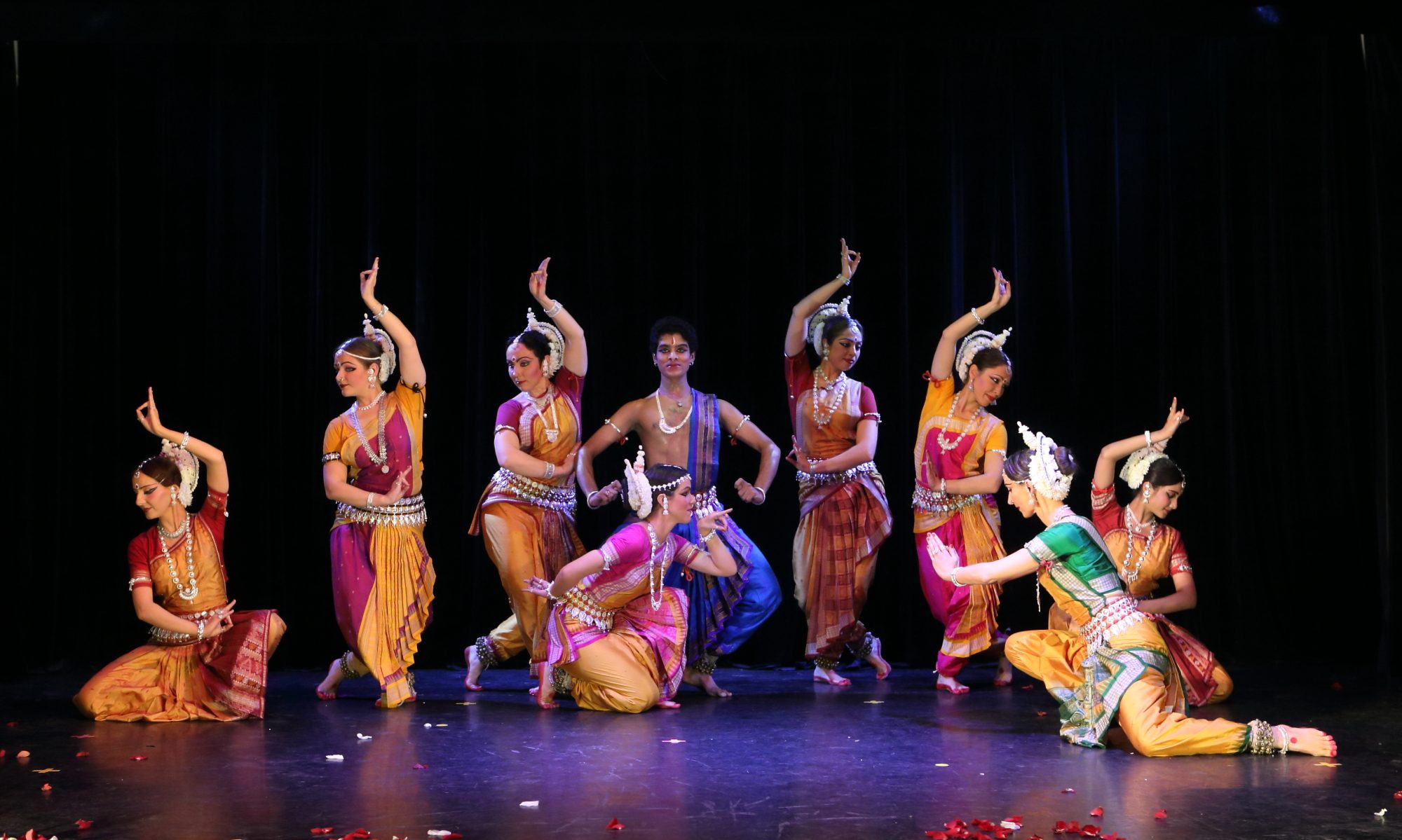
Большинство танцев как народных, так и классических можно идентифицировать при помощи жестов и движений, используемых в них. В классических танцах они более отточенные и четкие, так как индивидуальное самосовершенствование является неотъемлемой частью представления. В Индии существует семь классических стилей танца: Катхак из Северной Индии, Манипури из восточной и северо-восточной части Индии, Одисси из штата Орисса, Кучипуди, Бхаратнатьям, Мохини аттам и Катхакали из южной части страны. Помимо этих семи стилей быстро развиваются и получают широкое распространение еще три стиля танца: Yaksha Gaan, Chhau, Rabindra Nritya. Они считаются полуклассическими танцами.
Все эти танцы следуют правилам танца, описанным в древних книгах Бхарат Натья Шастра и Абхиная Дарпан. Эти книги описывают в деталях технику исполнения всех движений и строго регламентируют их: 28 жестов одной руки, 32 — обеими руками и около 42 комбинированных жестов. У каждого жеста есть знания, и указывается контекст, в котором его нужно использовать. Жесты, используемые, при отправлении религиозных культов в Индуизме, очень схожи с теми, описанными в Бхаратнатьешастре и Абхиная Дарпан.
В Тантра Шастре, известной как черная магия, культы тоже отправляют, используя медленный танец, позы и движения рук. Магия уходит глубоко корнями в разум человека. Она дает ему власть, удовольствие и Paisa (деньги). Так же действует и танец, он буквально, гипнотизирует зрителя, (показывает власть и удовольствие).
Танец — это средство, помогающее выразить все наши потаенные чувства в элегантной и красивой форме. И если во всем мире существует языковой барьер, то язык танца — универсален и понятен всем.