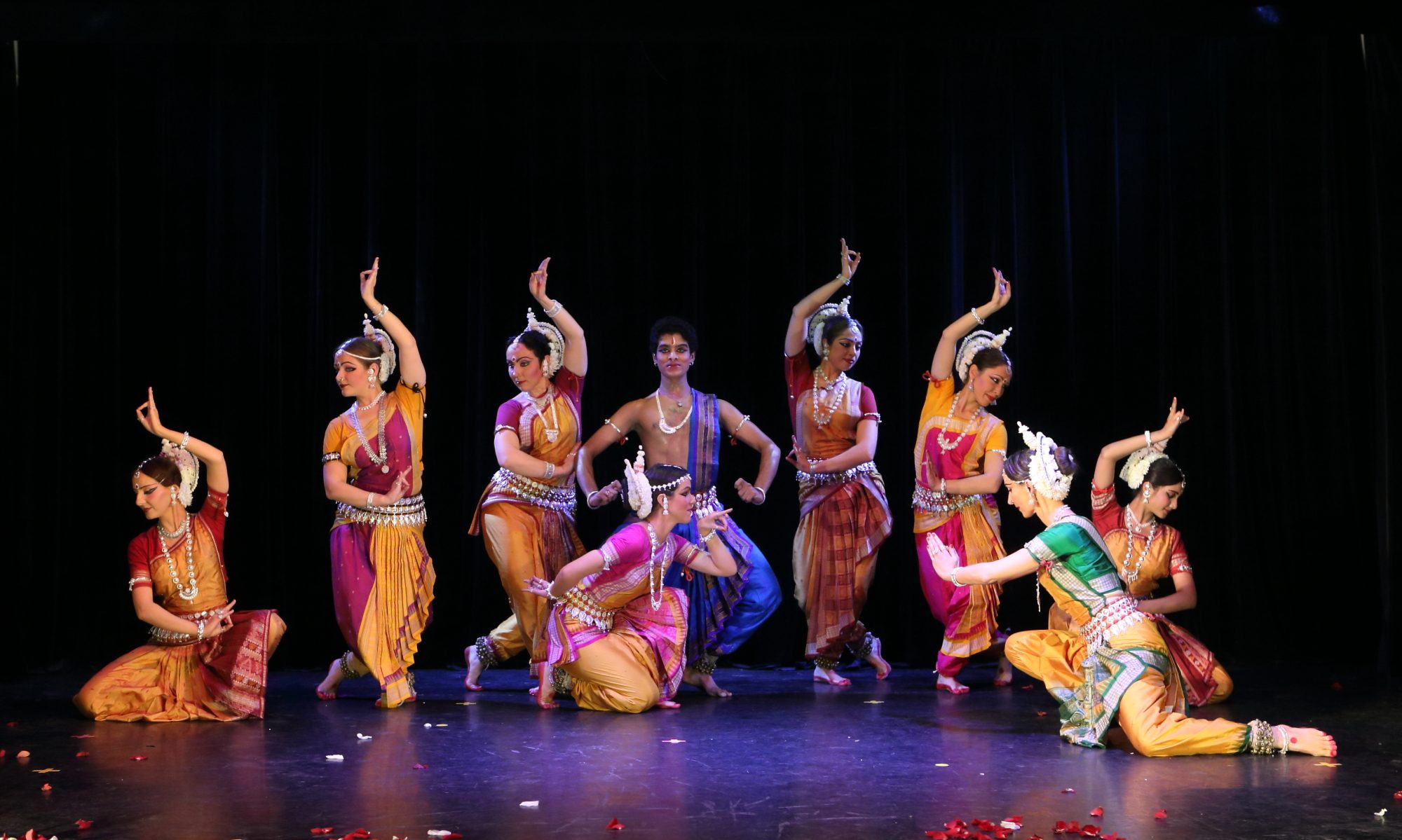
Каноны классического индийского танца заданы в фундаментальном труде под названием «Натьяшастра». Этот трактат написан на санскрите ученым по имени Бхарат, и во многом основывается на музыкальных традициях древней Индии. Поскольку и танец, и музыка первоначально составляли неотъемлемую часть храмового ритуала, сюжеты танцевальных композиций по большей части религиозные. Классический танец также тесно связан с легендой о космическом танце Бога Шивы Натараджа. Поэтические описания этого танца являются для танцоров источником вдохновения и образов при создании танца. Многие исполнители классического танца совершают ежегодное паломничество в храмовый город Чидамбарам, чтобы поклониться статуе Бога Натараджа, Короля Танца.
Бхаратнатьям — один из семи главных стилей классического индийского танца — зародился на юге Индии. Его своеобразие составляют три главных элемента:
Натья, — драматический элемент, находящий выражение в том, что танцор рассказывает истории и изображает разнообразные чувства, пользуясь утонченным языком мимики и жестикуляции;
Нритта — абстрактный элемент, выражающийся в том, что для этого стиля характерна сложная, точная и очень ритмичная хореография; этот элемент часто называют техническим, он лишен какого-либо символического значения;
Нритья — элемент, объединяющий и танец, и драму с тем чтобы наиболее полно отразить в танце повороты сюжета и настроение музыки.
Многие любители индийского танца и почитатели культуры южной Индии, безусловно, слышали о т.н. девадаси («служительницы бога»), — танцовщицах, которые танцуют в индийских храмах. Эти девушки воспитываются храмовыми жрецами, никогда не выходят замуж и их жизнь полностью посвящена исполнению танцев, прославляющих главное божество того или иного храма. Скульптурные изображения этих грациозных танцовщиц можно увидеть на стенах и воротах храмовых комплексов в Танджоре и Чидамбараме. О них и пойдет речь в дальнейшем.
История этого стиля насчитывает около 2000 лет. Этот стиль стал особенно популярным в храмах города Танджавур. Ранее только женщины могли участвовать в представлениях; мужчинам позволялось лишь быть учителями. В настоящее время мужчины достаточно часто участвуют в танцевальных представлениях.
Бхаратнатьям, известный как дасьяттам, «представление девадаси», был ранее широко распространен в южной Индии, особенно в Тамилнаду. Этот танец был частью храмового ритуала, в котором участвовали девушки — невесты бога, обученные ритуальным танцам и уходу за статуей бога. Они были хорошо образованны и пользовались уважением в обществе. Девадаси подразделялись на несколько классов, каждый из которых отвечал за определенную службу в храме: раджадаси танцевали перед священной хоругвью, аланкардай — во время собраний общины, девадаси — в храмах, свадаси — во время специальных религиозных церемоний. Им нельзя было выходить замуж. С раннего детства девочки обучались в храме искусству танца и пения. В возрасте 16-ти лет они проходили ритуал символического священного брака и становились супругами бога, после чего посвящали всю свою жизнь служению ему. Они вставали засветло, зажигали священный огонь, пели гимну божеству, украшали, чистили и иногда кормили статую бога, следили за чистотой в помещениях храма и танцевали во время религиозных церемоний.
Название «бхаратнатьям» появилось только в 1940-х годах, когда началось возрождение индийского танца после многих лет преследований. Есть несколько известных версий о происхождении названия «бхаратнатьям».
Некоторые связывают его с Бхаратом Муни — легендарным учителем танца и учеником Бога Брахмы, который обучался тандава у самого бога Шивы, распространял свое учение по всему миру и написал «Натьяшастру». Исполнители Бхаратнатьям следуют учению, изложенному в «Натьяшастре» и в «Абхиная Дарпан» (книга, написанная Нандикешваром, известным как воплощение бога Шивы).
Слово «бхарат» в санскрите складывается из трех слогов:
«бха» значит «бхав» (чувства) или актерское мастерство,
«ра» значит «рага» (мелодия),
«та» значит «тал», или ритм.
Т.е. танец, в котором история рассказывается при помощи чувств, мелодии и ритма — это бхаратнатьям.
Слово «бхарат» также истолковывается следующим образом:
бхарам тарайати ити бхарата
«бхараты — избранные члены общества, святые люди, молящиеся богу при помощи музыки и танца».
Ученики Лавы и Куша, сына господа Шри Рама, которые поют, танцуют и рассказывают истории, в определенный период также стали называться бхаратами.
Очевидно, что стили танца и внутренние аспекты исполнительского искусства во многом определяются исторической ситуацией, особенностями традиции и запросами публики в соответствующий период. Мы не знаем точно, каковы были стандарты и стилевые особенности бхаратнатьям, когда он только возник. Он непрерывно изменялся на протяжении 18-19 вв. Тем не менее, в современном репертуаре сохраняется много его архаических черт в их первозданном виде.
Аккомпанемент
Для музыкального сопровождения танца бхаратнатьям используются такие инструменты как мриданг, скрипка, тампура, манджира, гхата.
Вокальное сопровождение в основном соответствует южноиндийской традиции пения. Сюжеты заимствуются из тамильских или санскритских текстов и как правило имеют отношение к различным воплощениям бога Вишну или Шивы.
Костюмы
Исполнители бхаратнатьям одеты в сари или дхоти. Дхоти оборачивают вокруг ног, оно покрывает тело сзади и перекидывается вперед через правое плечо; конец аккуратно закрепляется на талии с помощью золотого узорчатого пояса. Между обеими ногами помещается кусок гофрированной материи, напоминающий китайский веер, который раскрывается, когда танцор во время танца наклоняется или сгибает ноги. Волосы и дхоти украшают белыми и оранжевыми цветами, а на лоб надевают тику с двумя головными украшениями.
Последовательность танцевальных номеров
Алларипу. Бхаратнатьям начинается с алларипу. Танцовщица начинает танец, предлагая богу цветы. Это техническая композиция, в которой движения повторяются сначала левой, а затем правой половиной тела, это дает представление об уровне мастерства танцовщицы. Раньше исполнительница повторяла алларипу 4 раза, каждый раз поворачиваясь к одной из сторон света. Это делалось для того, чтобы люди, пришедшие в храм видели танец во всей его полноте, как его видит бог. Теперь, когда танец исполняется на сцене, это не обязательно. Во время алларипу вначале демонстрируются движения рук, ног, корпуса, затем переходят к филигранным движениям шеи, бровей, глаз. При помощи танца исполнительница просит бога, чтобы ее выступление было удачным.
Джетисварам — чисто техническая композиция, во время которой танцовщица показывает различные ритмические схемы, демонстрирует гибкость и силу своего тела, аккуратность движений при быстрой скорости.
Шабдам — здесь танцовщица вводит в танец литературу. В сопровождении вокала девушка исполняет танец-молитву, демонстрируя актерское мастерство (абхинайя).
Варнам — важный элемент в последовательности танцевальных номеров. Здесь танцовщица показывает полный набор жестов и поз бхаратнатьям. В основе этой композиции обычно лежит стихотворение рассказывающее о влюбленной девушке (наика), ожидающей своего возлюбленного. Каждая строка поэмы повторяется несколько раз, каждый раз исполнительница варьирует свой танец, демонстрируя свое владение бхав (чувства). Чем выше профессиональный уровень танцовщицы, тем больше вариаций она может показать.
Падам — в этой композиции демонстрируются еще более глубокие чувства. В основе Падам тоже лежит стихотворение, взятое из какой-нибудь эпической или просто популярной книги. Большинство таких композиций рассказывает о жизни бога Кришны.
Тиллана — это 6-й элемент в последовательности танцевальных номеров бхаратнатьям. Для этого танца характерна быстрая скорость, усиленная работа ног, энергичные телодвижения. Тиллана сопровождается песней, состоящей из звукоподражательных слов, не несущих смысловой нагрузки: тана, дерена, тум, лум, ялали, на, тадаре, дирдир, тани и т.д. Они помогают понять ритмический рисунок композиции.
Шлокам — последний элемент бхаратнатьям. Танцовщица молится богу, произнося шлоку на санскрите, и выполняя намаскар (приветствие и прощание), заканчивает свое выступление.
Наиболее известные исполнители бхаратнатьям: Кандппа Пиллай, Гаури Амма, Балсарасвати, Е. Кришна Айяр, Рам Гопал, Рукмини Деви Арундел, Ямини Кришнамуртхи, Вайджанти Мала, Камла, Мриналини Сарабхай, Купайя и Говиндрадж Пиллай, Махалингам Пиллай, Парвати Кумар и Кальян Сундарам.